
Relieve Jaw Pain, Protect Your Teeth, and Restore Comfort

Jaw pain, headaches, and worn teeth are often signs of temporomandibular joint (TMJ) disorders or bruxism (teeth grinding). Left untreated, these conditions can damage your teeth, strain your jaw muscles, and affect your quality of life. At Park Hill Smile, we provide personalized TMJ and bruxism therapy to relieve discomfort, protect your teeth, and restore harmony to your bite.
We treat patients in Denver, CO, and the surrounding areas of Park Hill, Central Park, Lowry, Montclair, and City Park.

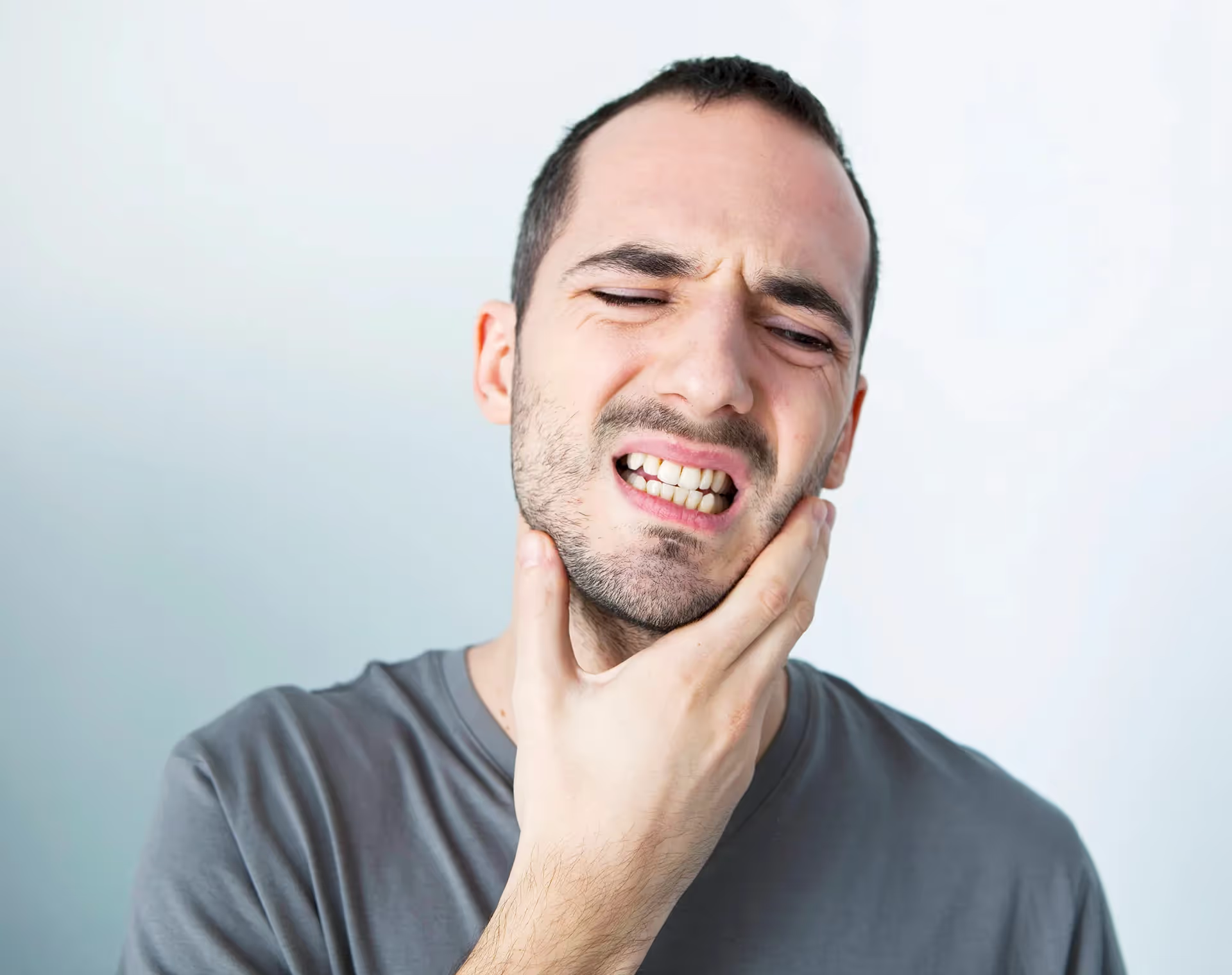
Understanding TMJ Disorders and Bruxism
- TMJ Disorders occur when the jaw joint is inflamed, misaligned, or under excess strain, often causing clicking, locking, or pain in the jaw.
- Bruxism is the habit of grinding or clenching teeth, often during sleep, leading to enamel wear, tooth fractures, and muscle tension.
While these issues can occur separately, they often overlap — and addressing them early can prevent long-term damage.
TMJ & Bruxism Treatment Options
Custom Oral Appliances
We design comfortable, custom-fit nightguards that protect teeth from grinding forces and help reposition the jaw for optimal comfort.
Bite Adjustments
In some cases, minor adjustments to the bite can relieve strain on the jaw joint.
Stress & Habit Management
Since stress can contribute to jaw tension and clenching, we provide guidance on relaxation techniques and healthy habits to reduce symptoms.
Restorative Solutions
For teeth damaged by bruxism, we may recommend dental crowns or bonding to restore strength and function.
Botox Therapy
Botox injections can be used to relax overactive jaw muscles, reducing clenching, bruxism, and associated facial pain. This non-surgical option provides relief for patients who experience persistent jaw tension.

The TMJ & Bruxism Therapy Process
- Comprehensive Evaluation
Dr. Thomas Gent examines your jaw function, bite alignment, and tooth wear patterns. - Diagnosis
We determine whether your symptoms stem from TMJ issues, bruxism, or both. - Treatment Planning
A personalized therapy plan is created to relieve discomfort and prevent further damage. - Ongoing Support
We monitor your progress, make adjustments to appliances if needed, and provide ongoing care.
Signs You May Need TMJ or Bruxism Therapy
- Jaw pain, stiffness, or clicking sounds
- Frequent headaches or migraines
- Worn, chipped, or cracked teeth
- Tooth sensitivity without decay
- Facial, neck, or shoulder muscle tension


FAQs – TMJ & Bruxism Therapy
Can TMJ disorders go away on their own?
Mild cases can improve with self-care, but persistent symptoms often require treatment.
Is teeth grinding harmful?
Yes — it can lead to cracked teeth, gum recession, and jaw pain if untreated.
Will a nightguard stop bruxism?
While it doesn’t stop the habit, it prevents damage and can reduce muscle strain.
Can stress cause TMJ problems?
Yes — stress often leads to jaw clenching, which can worsen TMJ symptoms.
How long does TMJ therapy take to work?
Many patients notice improvement within weeks, but some cases require longer-term management.
Not necessarily — in many cases, it saves time and reduces the need for additional procedures.
End Jaw Pain and Protect Your Teeth
At Park Hill Smile, we combine advanced diagnostics with personalized care to address TMJ disorders and bruxism at their source. Our goal is to relieve discomfort, protect your teeth, and restore your quality of life.
Call (720) 973-4632 or schedule your TMJ consultation online today.